



How to Build a Yearly Reading Plan That Actually Works
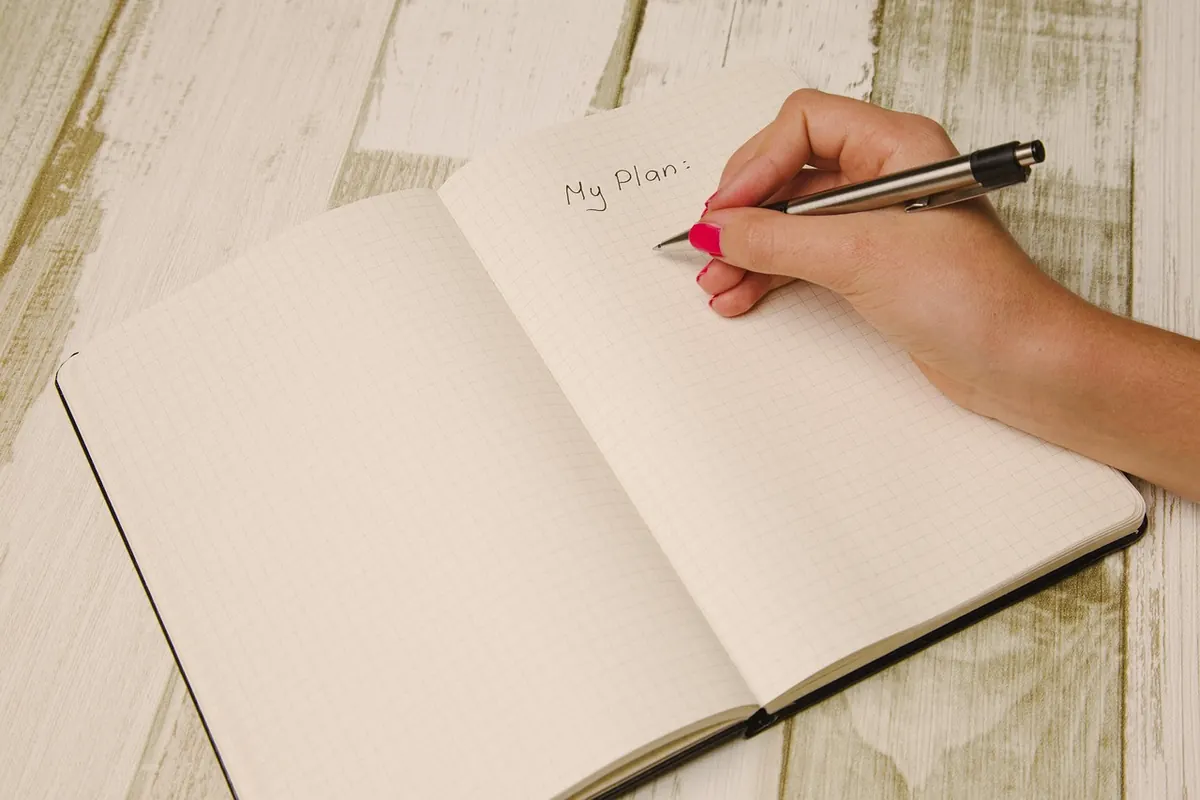
Most reading plans fail quietly. There is a burst of enthusiasm in January, a stack of worthy books by the bed, and then a Tuesday evening when you would rather reread something familiar than face chapter four of the book you promised yourself you would finish. By March the list has become a reproach. The problem is rarely laziness; it is that the plan was built for an imaginary reader with unlimited evenings and no moods.
A yearly reading plan needs to do three things: say roughly what you are reading, keep you honest about the time you actually have, and leave enough slack that an unexpected recommendation can still find its way in. The method below is designed to survive a bad month, a borrowed book and a change of mind.
Take Stock Before You Plan
Start with evidence rather than ambition. Look back over the past twelve months and count what you actually finished. Be generous about what counts — audiobooks, rereads, slim novellas, a cookery book read cover to cover — but be honest about the abandoned ones, because they tell you something useful.
Then note when you read. Most people have two or three reliable slots: a commute, a lunch break, the twenty minutes before sleep. Others have almost none and read in odd pockets instead — waiting rooms, Sunday mornings, the bath. Knowing your slots tells you which books will survive there. A dense history might work beautifully on a long train journey and fail completely at eleven at night; a thriller is usually the reverse.
Write both things down. Two numbers and two time slots are enough to build on.
Choose a Goal That Survives a Bad Week
Aim for a range rather than a single figure. "Thirty books" is fragile; "between twenty and thirty, including a few that are genuinely demanding" gives you room to have a slow month and still call the year a success.
Do the arithmetic in pages as well as titles, because it makes the goal concrete. If you read roughly fifteen to twenty pages in a sitting, a 300-page novel takes you about three weeks at five sittings a week. That is somewhere between twelve and eighteen books a year from bedtime reading alone, plus whatever you manage elsewhere. If your honest number is lower than you hoped, that is not a failure of willpower. It is information.
Decide, too, what counts as finished. Some readers count only completed books; others count anything they have read past the halfway point. Pick a rule and keep it, so your tracking stays meaningful from month to month.
Three goal shapes that work
- Volume: a number range, such as twenty to thirty books, with no requirement to hit the top of it.
- Project: one substantial reading job — a publisher's backlist, a decade of crime fiction, a shortlist read before the winner is announced.
- Habit: a time-based commitment rather than a book count, such as fifteen minutes on most days, measured by consistency rather than titles.
Pick one shape as your main goal and, at most, one other as a secondary aim. Two competing goals is one too many.
Divide the Year Into Seasons
Twelve months is too long to picture. Four three-month blocks are not. Give each quarter a loose theme, a genre or a project, then add one or two backups for the weeks when the theme does not appeal.
For example: winter for the long novels you want to sink into, spring for non-fiction and biography, summer for lighter fiction and short story collections, autumn for the books you keep meaning to get to. Adjust all of this to your real life. If you travel for work in spring, spring becomes your audiobook quarter. If December is frantic, make it your comfort-reading month and stop pretending otherwise.
Build a Reading Menu, Not a Curriculum
Rigid lists break; menus bend. Instead of assigning a specific book to a specific month, gather a pool of titles for each quarter and choose from it according to mood, energy and how much sleep you have had. A pool of six to ten books for three months is plenty — enough to feel rich, small enough to stay appealing.
A balanced year tends to include a few of each of the following:
- One or two long books, chosen deliberately rather than drifted into
- Something from a genre you rarely touch
- A book in translation
- A non-fiction title on a subject you know nothing about
- A reread of something you loved years ago
- A book a trusted friend has pressed on you
- Something short and absorbing for a difficult week
Notice what is missing: obligation. Nothing belongs on a reading menu because it would look impressive on a shelf.
Keep a Fifth of the Year Free
Reserve roughly a fifth to a quarter of your reading for whatever turns up unbidden — a library display, a prize shortlist, a book club pick, a recommendation you cannot ignore. Without slack, the first surprise wrecks the plan, and a wrecked plan is usually an abandoned one.
This also protects you from the sunk-cost trap. If a book has not earned its place by page eighty, put it down and note why. A plan that states an allowance for abandoned books is far easier to keep than one that demands you finish everything you start.
Track Progress Lightly
Tracking is a tool, not a second job. A notebook page, a spreadsheet column or an app all work; the best one is whichever you will genuinely update. Log the title, the date you finished it and a single line about what you thought. That line matters more than the date, because it is what you will actually enjoy rereading in December.
Check in once a month. A five-minute glance is enough, and it takes one question: is this working? If you have not opened your current book in ten days, the problem is usually the book rather than your character. Swap it out and move on.
Your Plan on One Page
Condense everything onto a single sheet: your goal range, your reading times, four quarterly themes, a dozen titles you are excited about, and a line at the bottom reserving space for the unexpected. Keep it somewhere visible — inside the book you are reading, or on the fridge — rather than in a file you never open.
Expect to revise it in April and again in September. A plan that gets rewritten twice a year is not a failure; it is the only kind that lasts. Start with the page, not with the perfect list of books, and you will end the year having read more of what you meant to read, and less of what you felt you ought to.
Photo: Pexels / Pixabay